Particle design and process consulting
Manufacturing of new and functional materials
Particle design
Behind the idea of particle design is the wish for improved material properties. Whereas in the past, the aim was generally the production of ever finer powders, today the focus is on equipping particles with specific properties. These properties can be mechanical, optical, electric or chemical I nature. The efforts in this direction have opened up extremely interesting possibilities especially in the fields of pharmaceuticals, cosmetics, battery/secondary battery manufacture, metallurgy and fuel cell development. Besides the pure application, however, certain aspects of handling the extremely fine products need to be considered. Assuming a suitable machine design, the well-known unit operations such as comminution, dispersion, rounding, coating and agglomeration can also be carried out on a nano scale in order to achieve the desired product properties.
Particle design: technologies
- Coating: Fine particles are permanently fused without the need for binders onto the surface of the base material by means of a mechanical process: Mechanofusion. Systems: AMS, Nobilta.
- Dispersion/micro-mixing: Optimum mixing quality from the micrometre to the nanometer range. Systems: Nobilta.
- Rounding: Better flow properties and higher packing density. Systems: AMS, Faculty, Alpine Particle Rounder APR for natural graphite and classifier mill Zirkoplex ZPS for synthetic graphite.
- Agglomeration: Granulation (spherical particles with shell-type structure) or agglomeration of primary particles (raspberry-like structure). Improved handling, additional coating. Systems: Agglomaster.
Application examples
Lithium cobaltate / carbon black
for rechargeable batteries
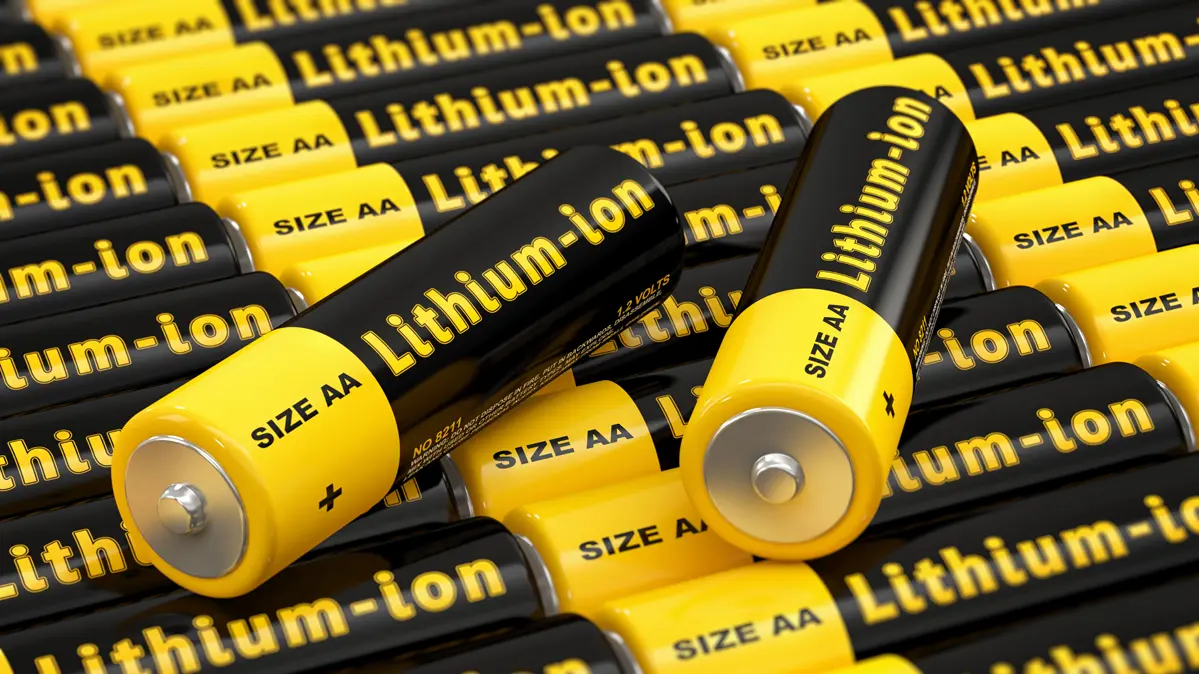
Carbon black is fused onto the surface of the lithium cobaltate in a Mechanofusion process. The machine of choice for this process is the Nobilta. Originally in agglomerate form, the carbon black is dispersed in this process and fuses in a thin layer onto the base material. The following positive properties result: improved, conductivity of the electrodes. No agglomerates in the bulk material, low viscosity of the suspension during electrode manufacture.
Graphite
Higher tap density for a higher storage capacity
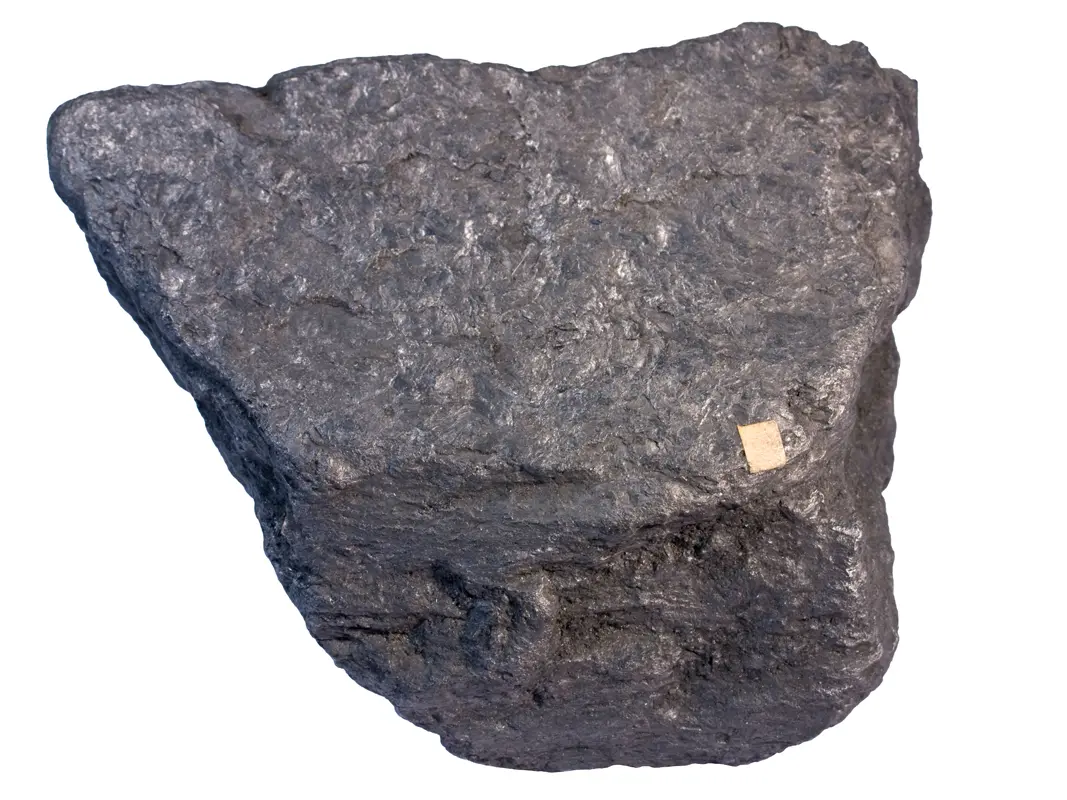
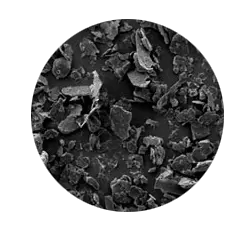
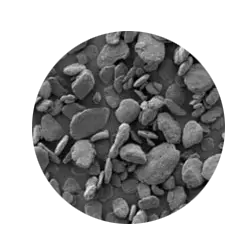
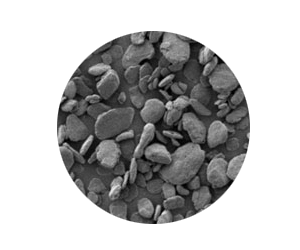
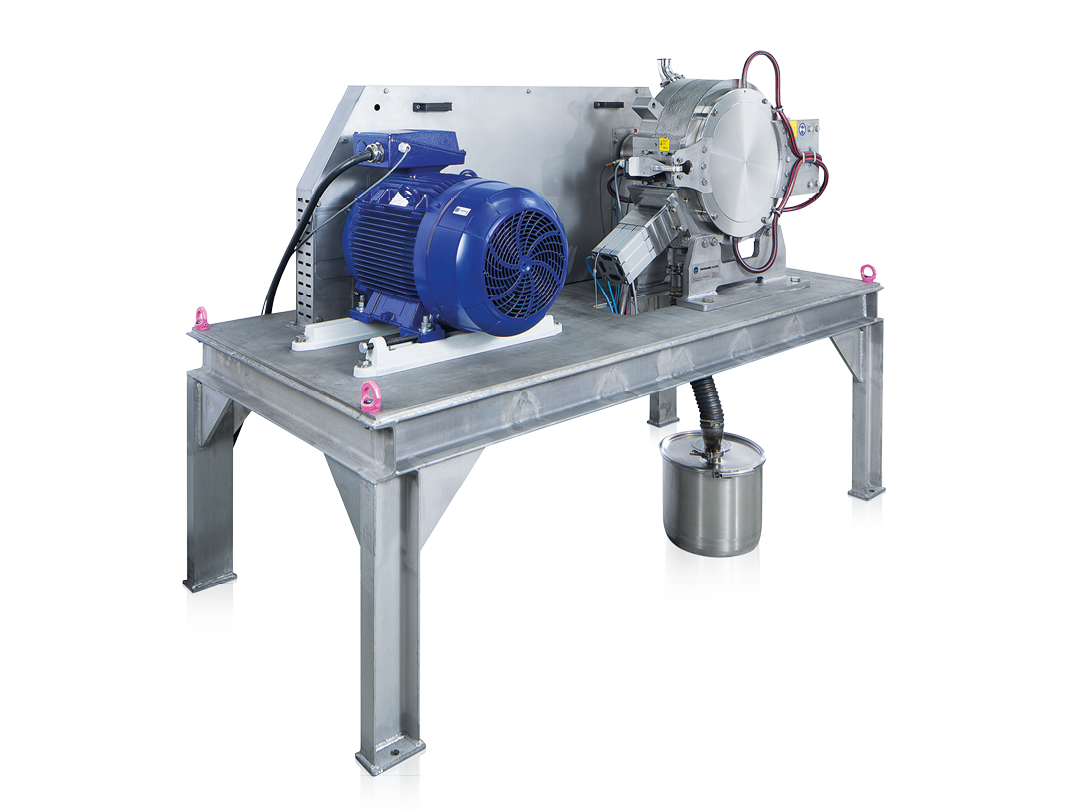
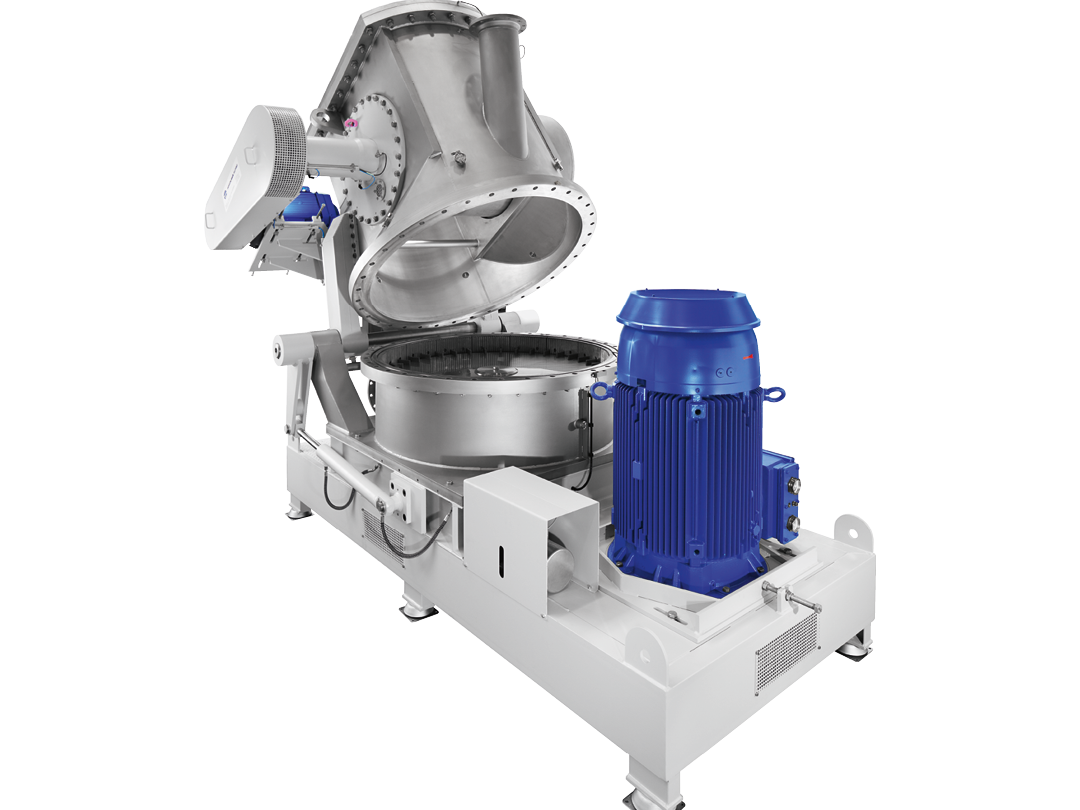
Graphite flakes are rounded by mechanical effects and the bulk material is simultaneously dedusted. There are two machines for this process - depending on whether synthetic graphite or natural graphite is to be rounded. TheZirkoplex ZPS classifier mill is the first choice for synthetic graphite, and the Alpine Particle Rounder APR was developed for the spheroidisation of natural graphite. Here, the natural graphite is pre-ground on a classifier mill. Subsequently, batchwise rounding with downstream classifying takes place. As a result of the rounder particle and the smoother surface, the bulk density of the material is much higher. The capacity of batteries is higher, in accordance with the bulk density.
Feed material and rounded graphite: SEM images (natural graphite)
Pharma products (carrier material/active substance)
For even dosing
Active substance particles are dispersed and fixed mechanically in a thin layer onto the carrier particle. In the case of pharmaceutical active substances, the machine of choice is the AMS system. The flow properties of the composite are extremely good and promote uniform metering of the active substance. Resorption of the active substance is simultaneously accelerated, because the active substance is available over a very large surface area.
for fuel cells
Nickel oxide/YSZ
Nickel oxide and yttrium-stabilised zirconia (YSZ) are both available in a finely dispersed form. Both materials have a strong tendency towards agglomeratin. What is important in this application is an extremely intricate bond of the materials in the micrometer range, whoch then makes it possible to significantly reduce the operating temperature of the SOFC (Solid Oxide Fuel Cell)- The best results by far have been achieved here with the Nanocular system, in addition to the Mechanofusion process, a plasma acts upon the materials.
The perfect technology
for the production
Your experts in the field of mechanical process engineering
Process consulting
Are you planning a new process or are you just about to come up with a new product idea and need support? Process Consulting helps you with the system planning and implementation of your ideas in the fields of size reduction, classifying, compacting or agglomeration of powders, granules and bulk materials. The result? A solid foundation for decision-making, based on the wealth of expertise offered by the Hosokawa Group and an investment at the outset that helps you to make big savings throughout the process.
Specifically tailored to your product
Material development: Material with optimal properties
What properties does a material need so that you can produce a product according to your wishes? Our experts develop individually adapted materials that meet your requirements exactly. In the development process, we use the latest technologies and methods.
Developed for your specific needs
Process development: The perfect powder process
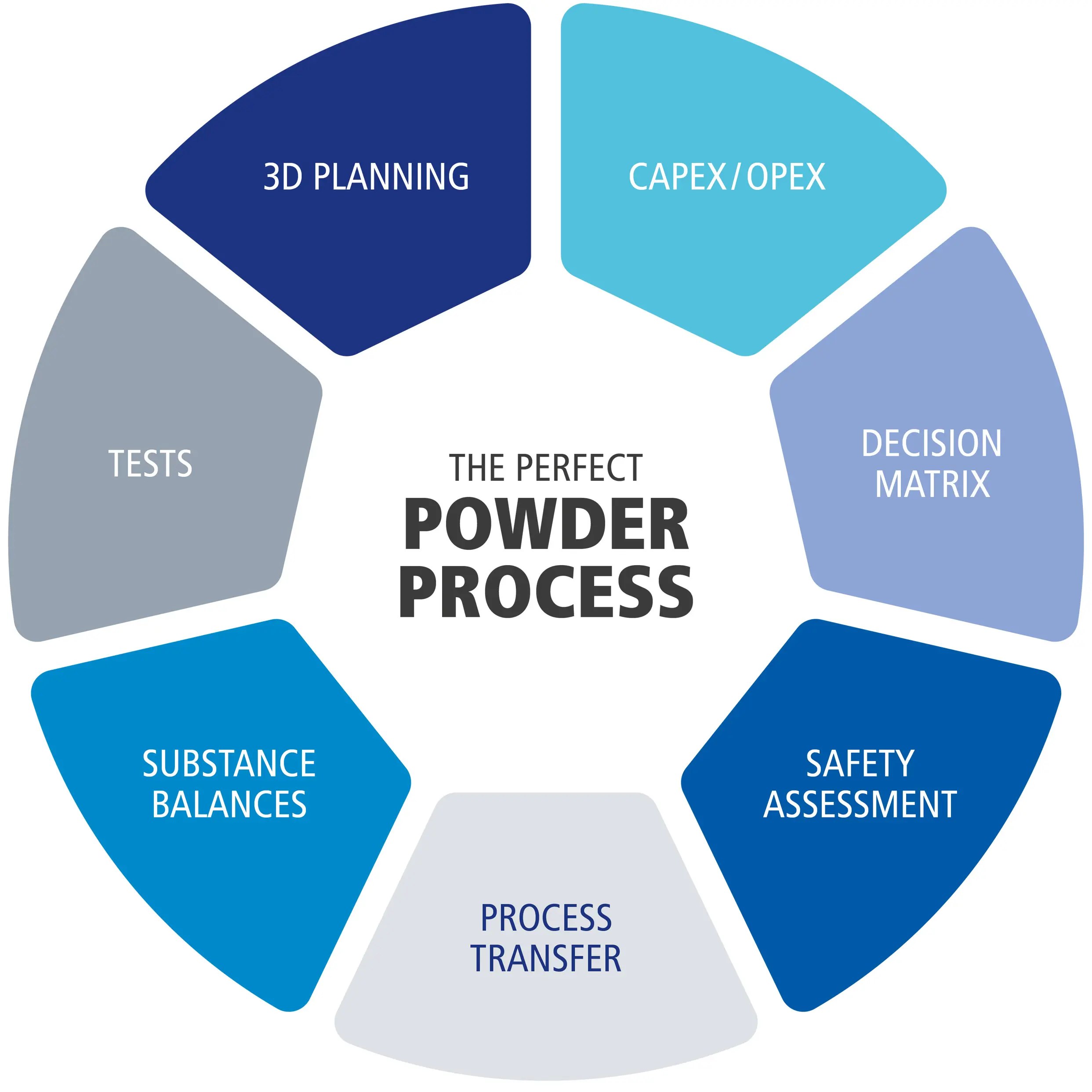
In a custom-fit powder process, many parts come together to form a large whole: from various tests and substance balances to cost analyses and decision matrices to process transfer to other applications, locations or manufacturers. Process Consulting works with you to develop your custom-fit powder process, which we will be happy to implement with you later.
Your advantages with Process Consulting
Support and consulting from experienced development partners
State-of-the-art technology
Access to the latest equipment and metering technology
Many years of know-how
More than 125 years of experience in powder and particle processing
Risk minimisation
Investment and operating cost calculation reduces your risk
Test centres
Tests with your production materials in our laboratories and test centres
Tailor-made for you
Customised development of your individual process
Basis for decision-making
A solid basis for decision-making for your future
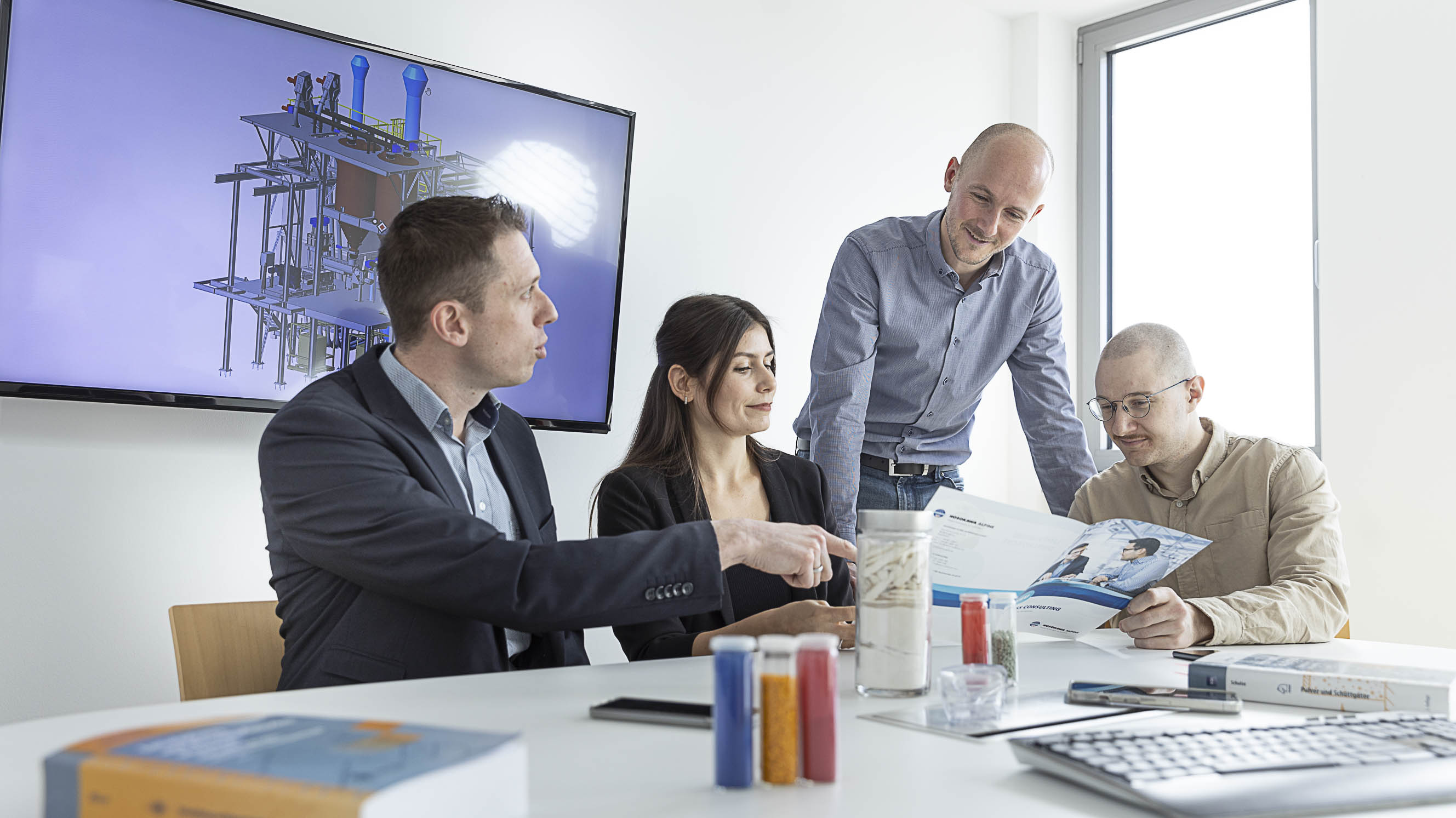
Create value right from the start
Let's pave the way for your success!
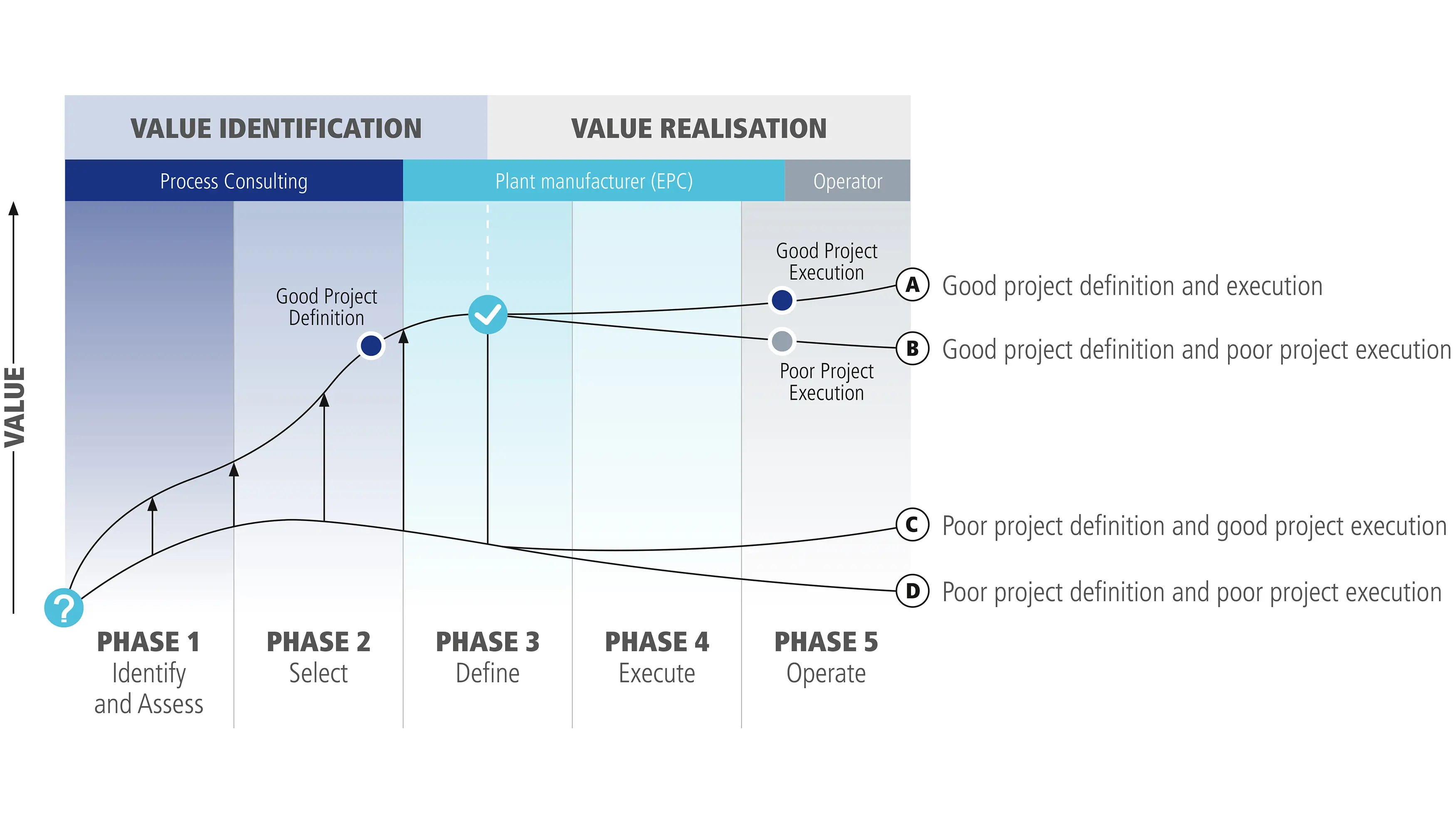
Process Consulting - that's how it works
Transform your idea into an optimal investment

As the first step, we put your idea in concrete terms and define the task. To do this, we look at your idea holistically, taking into account the special properties of your bulk material or system. In a feasibility analysis, we analyse the current situation and your needs. This includes component or system tests, comparisons of different technologies and your time to market. On this basis of the findings, we draw up a specification document that sets out all the requirements for the process and the general conditions (e.g. ATEX or building). At the end of this step, you will receive a rough implementation concept and cost estimate. This defines the main components of your process and records them in a rough process flow diagram.
- Feasibility analysis
- Needs analysis
- Product analyses
- Component/system tests
- Technology comparison
- Quantity and substance balances
- Process engineering design
- Time to market
- Sustainability
- Development of specification document
- Product
- Process
- General conditions (ATEX, lECEx, CE, buildings, requirements, etc.)
- Rough implementation concept and cost estimate
- Definition of main components
- Rough process flow diagram

In the next step, we develop several solutions for your individual requirements. This includes tests to check technical feasibility, initial process flow diagrams and a cost analysis in terms of OPEX and CAPEX. At the end, you will receive various process proposals and an evaluation of these alternatives.
- Alternative process proposals
- Dif. degree of automation
- Scaling
- horizonal vs. vertical
- Process flow chart
- Layout planning (rough)
- Cost analysis (OPEX, CAPEX)
- Equipment and consumer lists
- Components specification
- Automation pre-planning

In the last step, we take a closer look at the different options so that you can make the best decision in the end. This includes risk analyses and decision matrixes, flow diagrams and a 3D visualisation with your main process components and building structures. Once this is finished, you will have found the process that best meets your requirements and a solid foundation for your further business plan. It is up to you whether you implement this process with a different manufacturer of your choice or once again rely on Hosokawa Alpine's know-how and experience.
- Risk analyses
- Decision matrixes
- Mapping from specification to solution options
- Visualisation
- Building
- Systems
From the very beginning, our collaboration with the Process Consulting team of Hosokawa Alpine was constructive and solution-oriented. Their technical competence and many years of experience were obvious and strengthened our confidence in having made the right decision.