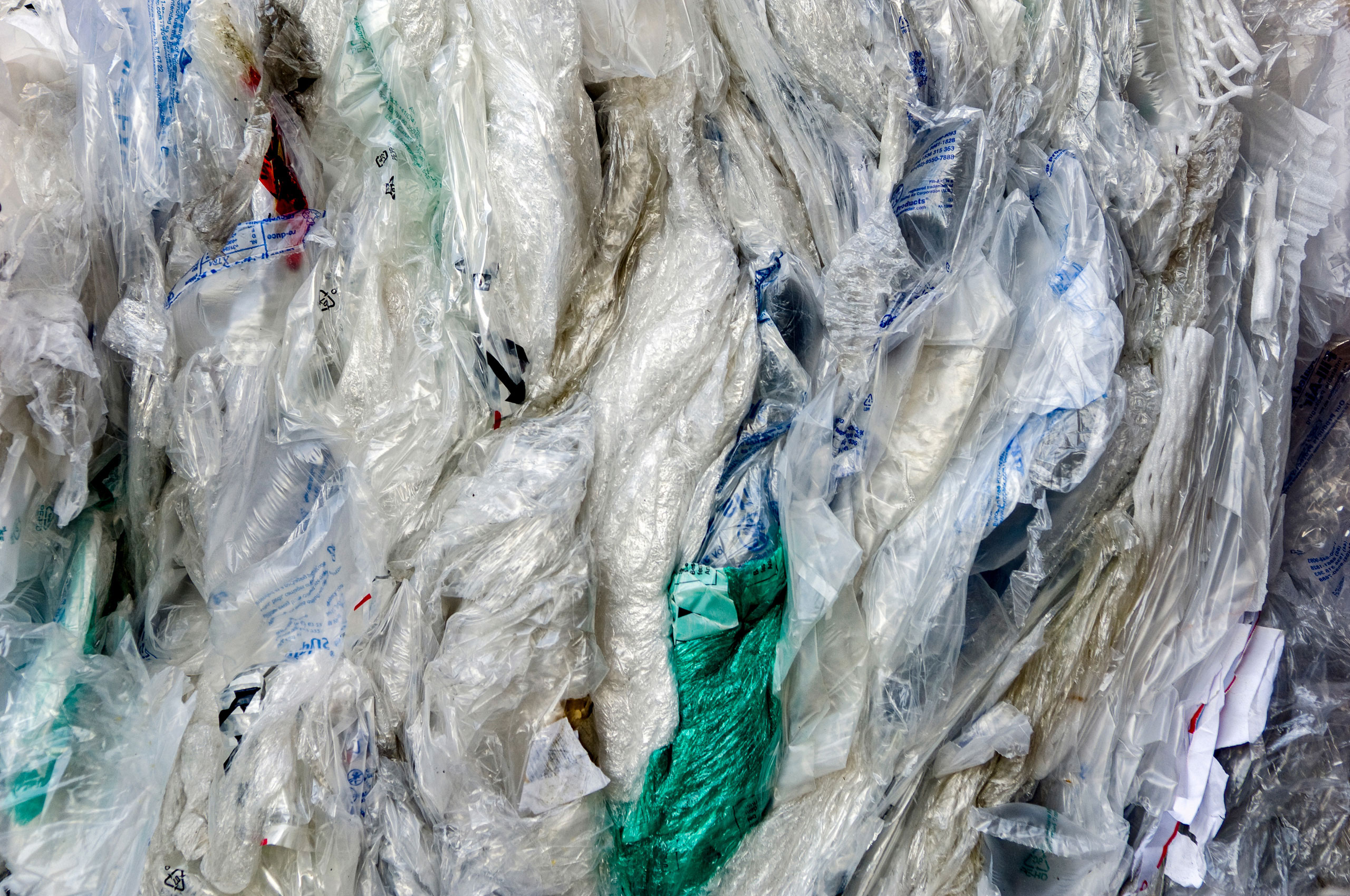
Washed and dried flakes from packaging waste:
New process for an environmentally friendly circular economy for plastic packaging
Augsburg/Düsseldorf, 8 October 2025 – A new process from Hosokawa Alpine ensures that plastic packaging waste from private households can be reused as post-consumer recyclate (PCR). This produces washed and dried flakes that are used for the manufacture of new plastic products in the sense of a functioning circular economy.
Whether shampoo bottles and cosmetics packaging, sausage and cheese packaging, plastic bags or cling film – they all end up in recycling bins or are handed in at recycling centres. This is because as much of this packaging waste as possible should be recycled and returned to the cycle. Hosokawa Alpine has now developed a short process chain consisting of collecting and sorting, pre-crushing, washing, size reduction, separating and drying with the corresponding machines. "This enables our customers to cut running costs, save space and energy, and reduce maintenance, service and spare parts requirements", explains Thomas Bäßler, Head of Sales Recycling Technologies at Hosokawa Alpine.
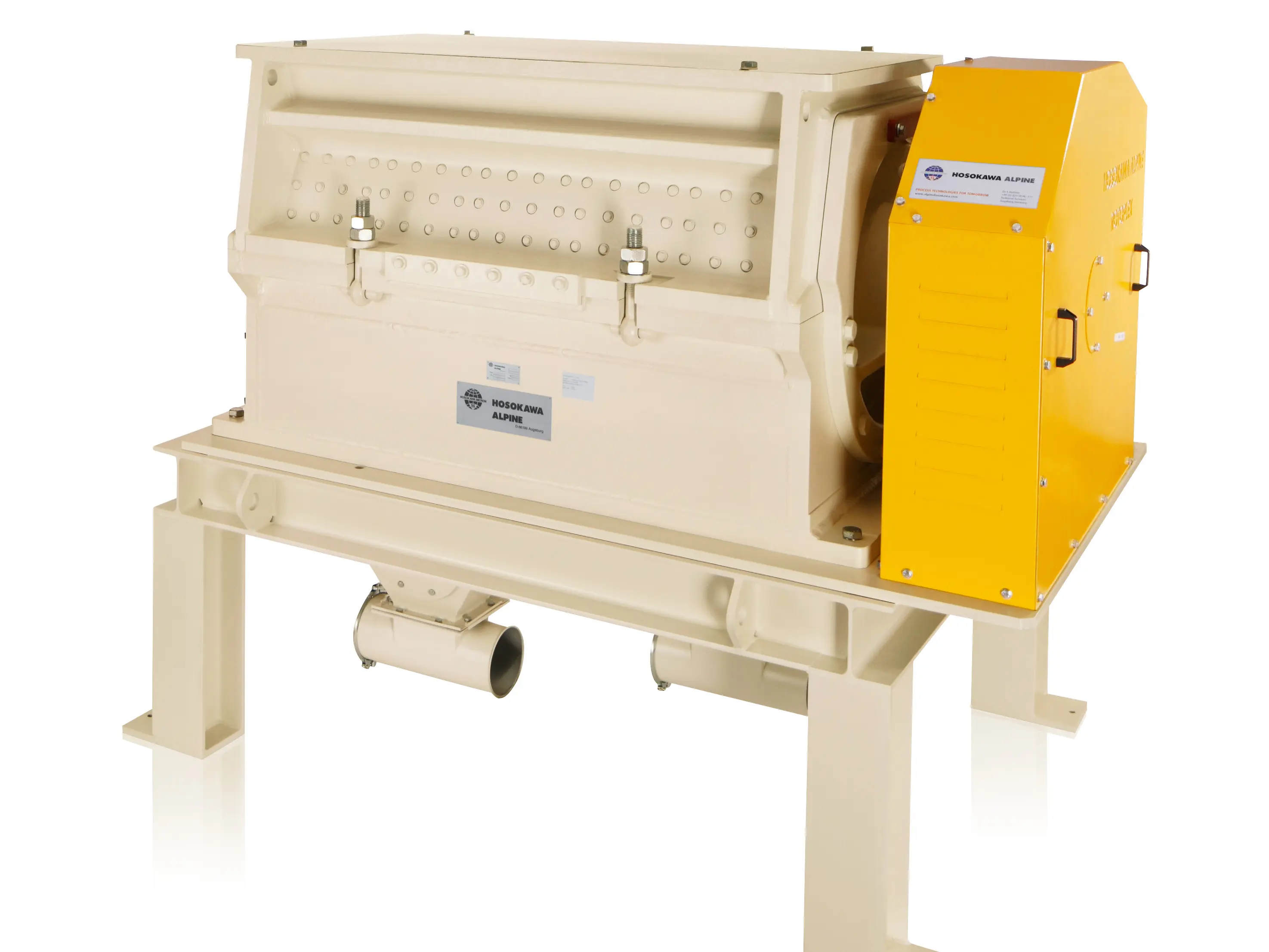
Efficient size reduction with the Rotoplex granulator
The waste from the recycling bins is collected in waste recycling plants, pre-sorted according to the different types of polymer, and then delivered in bales for recycling. "The pre-sorted plastic waste is then shredded to the desired size using our Rotoplex granulator", says Bäßler. Depending on customer requirements, the machine processes up to 8,000 kg per hour in a wet or dry grinding process. Thanks to its clean cross-scissor cut, the Rotoplex minimises product loss, ensures a clean edge without cracks, and reduces the amount of fines and dust. Replaceable sealing plates also enable a longer service life, while the removable lid makes cleaning and maintenance easier.
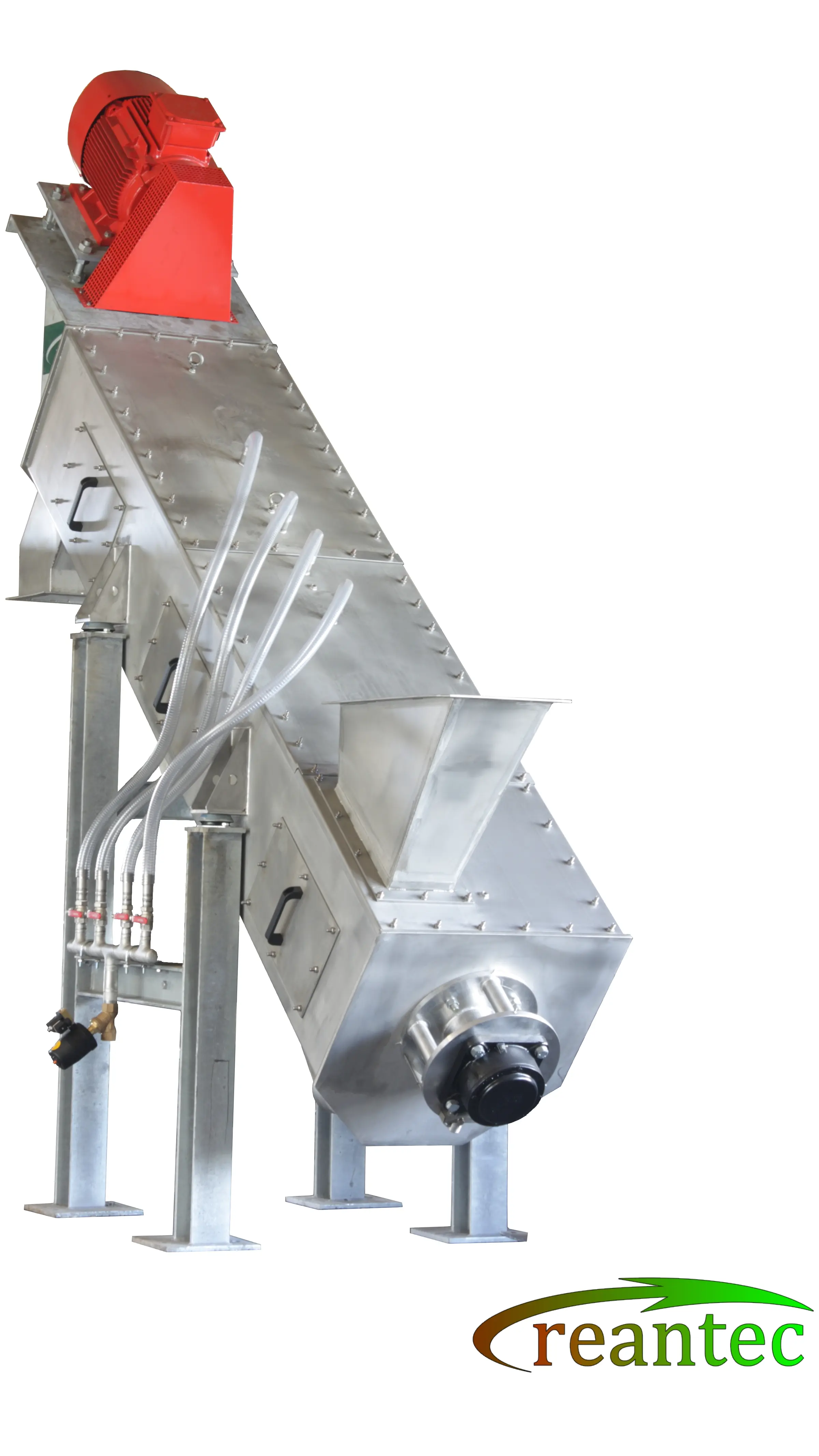
Friction cleaner removes contamination
Plastics must be thoroughly cleaned before they can be reused. This is the only way to remove contamination such as labels, residues of ingredients, or sand without leaving any residue so that the plastics can be processed safely and cleanly. A friction cleaner from Reantec, Hosokawa Alpine's partner, is used in this process step. It has a high washing and drying capacity and ensures consistent product quality through continuous self-cleaning. The result: a high-quality end product due to less adhesion of abrasive materials and less wear in subsequent processes.
Separating and drying: Moisture reduction to a minimum
After the pre-washed material has been freed from further foreign material in the sink-float tank or in the hydrocyclone by means of density separation, the plastic flakes can be washed again in a friction washer before being sent for final drying.
The mechanical dryer from Reantec is used for this. The innovative self-cleaning system with optimised conveyor technology reduces moisture to a minimum. Access to the rotor chamber also makes it easy to change blades and minimises maintenance times.
After drying, the plastic flakes are fully and optimally prepared for further processing and fulfil all the requirements of a functioning circular economy.